Breathing
Breathing to Calm the Mind
Simple breath practices that help you feel steady, clear, and relaxed.
Breathing is the most direct bridge between the body and the mind. When you are anxious, your breathing becomes shallow and fast. When you are calm, it slows and deepens. By changing the way you breathe, you can quickly change how you feel. That is why breathing practices are a powerful tool for easing stress and restoring focus.
These practices are simple and do not require special equipment. You can use them at your desk, on a walk, or before sleep. The goal is not to force the breath, but to guide it gently and consistently. With time, your body learns that slow, steady breathing equals safety.
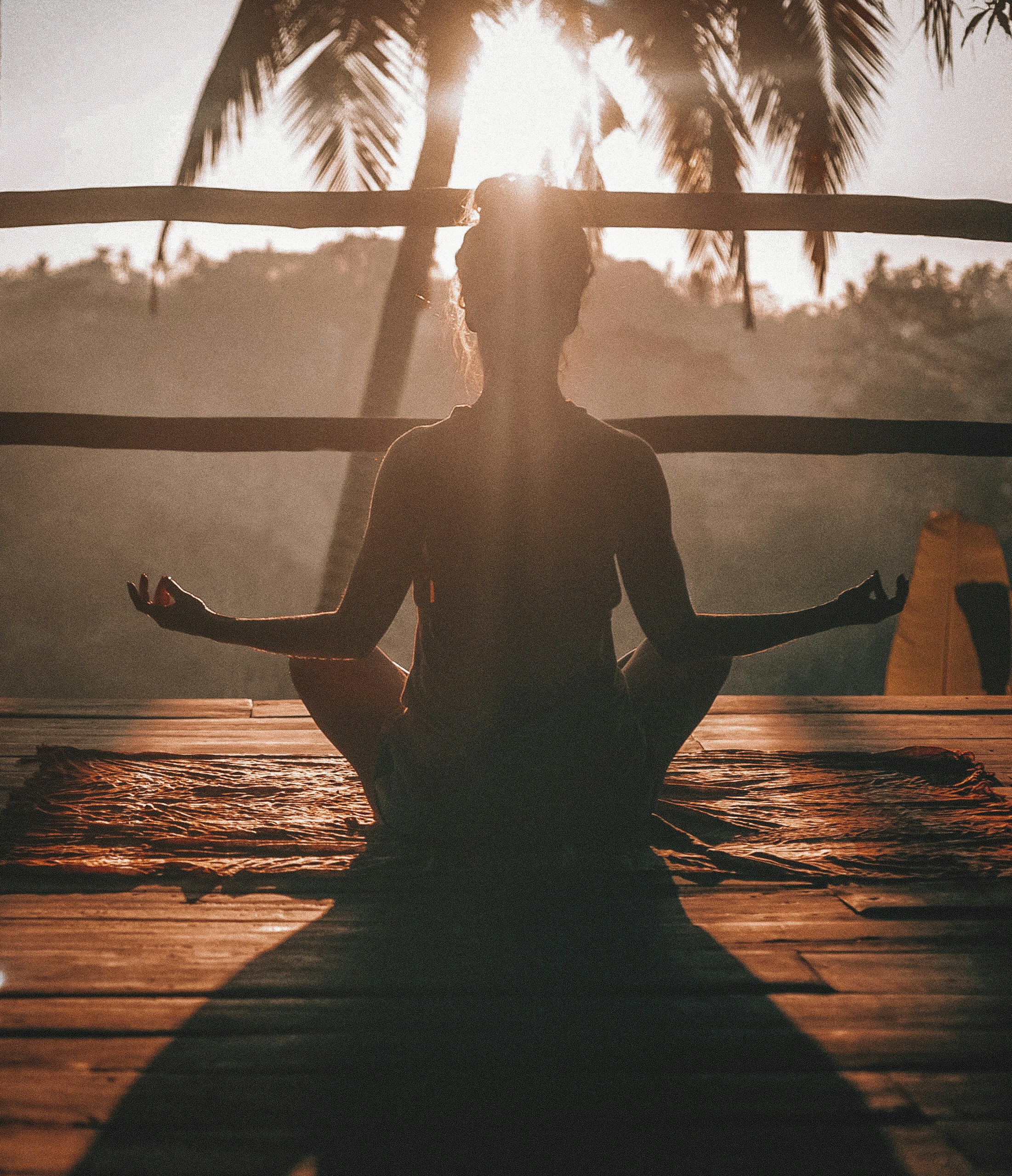
Why breath works so quickly
The nervous system responds to breathing patterns. Short, rapid breaths can signal urgency, while longer, slower breaths activate the relaxation response. This means you can calm your body by lengthening the exhale and softening the breath. It is one of the most reliable ways to shift your state in a few minutes.
You may notice that even a small change in breathing can reduce tension in your shoulders or jaw. That physical release helps the mind settle. Breath is not only a tool for calm, it is a tool for clarity.
The long exhale practice
This is the simplest way to calm the mind. Inhale through the nose for four counts, then exhale for six counts. Repeat for one to three minutes. The longer exhale tells your body to relax. If counting feels distracting, simply focus on making the exhale a little longer than the inhale.
Use this before a stressful meeting, after a busy commute, or when you notice tension building. It is a gentle, effective reset.
Box breathing for balance
Box breathing creates an even rhythm that steadies the mind. Inhale for four counts, hold for four, exhale for four, hold for four. Repeat for two minutes. This technique is especially helpful when you feel scattered or over stimulated because it gives the mind a simple pattern to follow.
If the four count feels too long, reduce the count to three. The idea is to keep the rhythm smooth and comfortable, not forced.
The grounding breath
This practice combines breathing with a physical cue. Place one hand on your chest and the other on your belly. Inhale slowly, letting the belly rise, then exhale and feel the belly soften. This helps you breathe more deeply and brings attention into the body.
When your mind feels busy, grounding the breath in the body can reduce mental chatter. It reminds you that you are here, in this moment, and that your body can help you feel safe.

The calming sigh
A sigh is a natural release. Try a gentle sigh with intention. Inhale through the nose, then exhale through the mouth with a soft sigh. Repeat a few times. This helps release tension in the chest and throat and can quickly soften anxiety.
This is a good practice when you are feeling overwhelmed or when you have been holding your breath unconsciously.
Pair breathing with short phrases
Some people find it helpful to pair the breath with a calm phrase. For example, inhale while thinking "steady," exhale while thinking "release." This creates a simple rhythm and keeps the mind from drifting. The phrase should be gentle and supportive, not forced.
With practice, the phrase becomes a cue for calm. You can use it anytime you need a quick reset.
Make breathing a daily habit
Breathing practices are most effective when they are part of your daily routine. Choose a few moments when you can pause for one minute, such as before checking your phone, before meals, or before sleep. These small pauses add up and teach your body to return to calm more quickly.
You can also pair breathing with other habits. For example, take three slow breaths when you sit down at your desk or after you close your laptop. The habit becomes a signal that it is time to settle.
Common questions
- What if I feel dizzy? Reduce the count and breathe more gently.
- Should I breathe through the nose or mouth? Nose breathing is usually best, but do what feels comfortable.
- How long should I practice? Even one minute can be effective. Two to five minutes is ideal.
- Can I do this at work? Yes. These practices are quiet and discreet.
Closing thought
Your breath is always with you. It is a constant, gentle tool for calm that you can use at any time. Start with one practice today, and return to it when life feels loud. Over time, the simple act of breathing with care becomes a steady source of peace.